
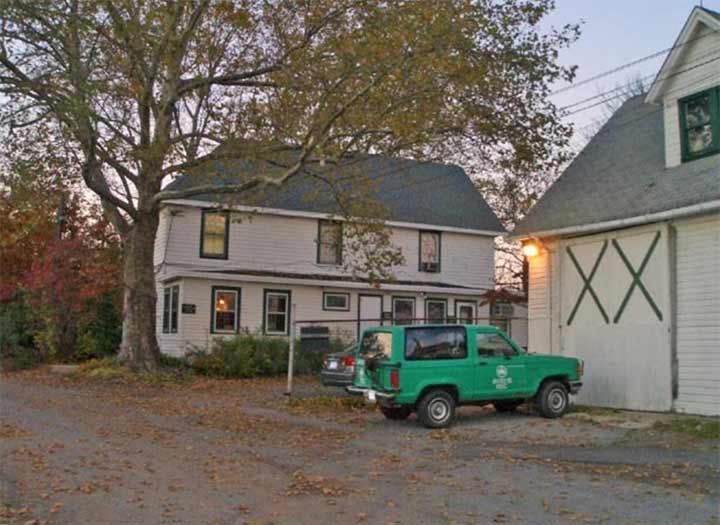


As the final frontier of urbanization, Staten Island has some of the city’s last working farms. Among them is the former Mohlenhoff farm that was acquired by the Parks Department and renamed in 2025 as the Plant Ecology Center and Nursery. PECAN, because everyone likes a punny acronym.
The farm’s story began in 1911, when German immigrant Henry Mohlenhoff started a vegetable farm on the outskirts of Linoleumville, the company town now known as the Travis neighborhood. Henry and Wilhelmine had a dozen children, all of whom worked on the farm and settled nearby.


Staten Island Historical Society
As the rural borough became suburban, the family transitioned from edible produce to flowers, and by the end of the 20th century, portions of the farm were sold to developers, reducing it to 12 acres of mostly greenhouses bordering on the city’s largest landfill.
The Parks Department purchased the farm in 1992, with proprietor Carl Mohlenhoff staying on as its manager until his retirement in 2002. Initially known as the Greenbelt Native Plant Center, the farm’s purpose is to repopulate the city’s parks with native species as they face an uphill battle for land against invasives.
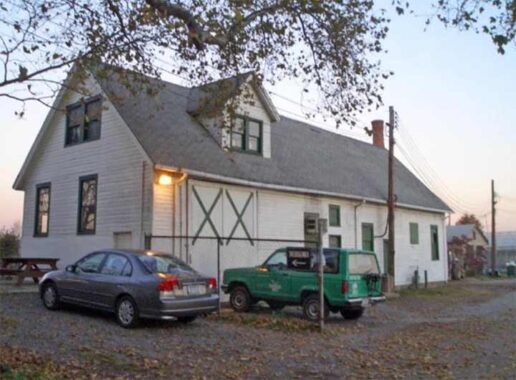
Nobody lives in the farmhouse (above) anymore, it is an office that still has the feel of a residence. There are no livestock here and the only resident nonhumans are cats, who provide pest control and companionship.
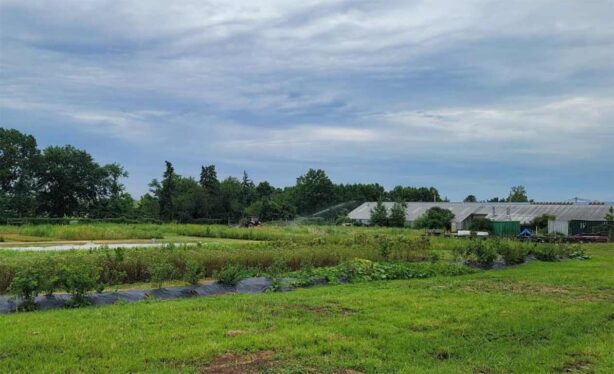
Walking the grounds of PECAN, visitors can really feel like they are far upstate with the hills of Freshkills Park behind the fields of flowers, a recently opened park that forever preserves the naturalistic views.
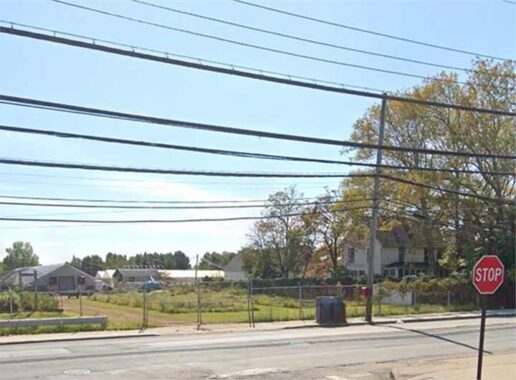
The farm can be seen from Victory Boulevard as a set of greenhouses facing an ancient road that connected New Jersey to Manhattan through Staten Island. On this road, vegetables grown by Mohlenhoff and Sons were transported to markets and restaurants in the urban center.
Sergey Kadinsky is the author of Hidden Waters of New York City: A History and Guide to 101 Forgotten Lakes, Ponds, Creeks, and Streams in the Five Boroughs (2016, Countryman Press), adjunct history professor at Touro University and the webmaster of Hidden Waters Blog.
Check out the ForgottenBook. As always, “comment…as you see fit.” I earn a small payment when you click on any ad on the site.
8/12/26